What each letter of the code means
C2 indicates that the cement-based adhesive has improved adhesion performance. T is the property that limits tile slip in vertical applications. E indicates that the working window in which the covering can be placed after the mortar is spread on the substrate has been extended. S1 defines deformability in the face of temperature changes or limited substrate movement.
Where C2TES1 comes to the fore
Large formats such as 60×120 porcelain, renovation over old tiles, tiling over waterproofing and underfloor-heated floors may require more movement capacity and adhesion than standard applications. With a suitable substrate and project assessment, C2TES1 becomes a strong system component in these areas.
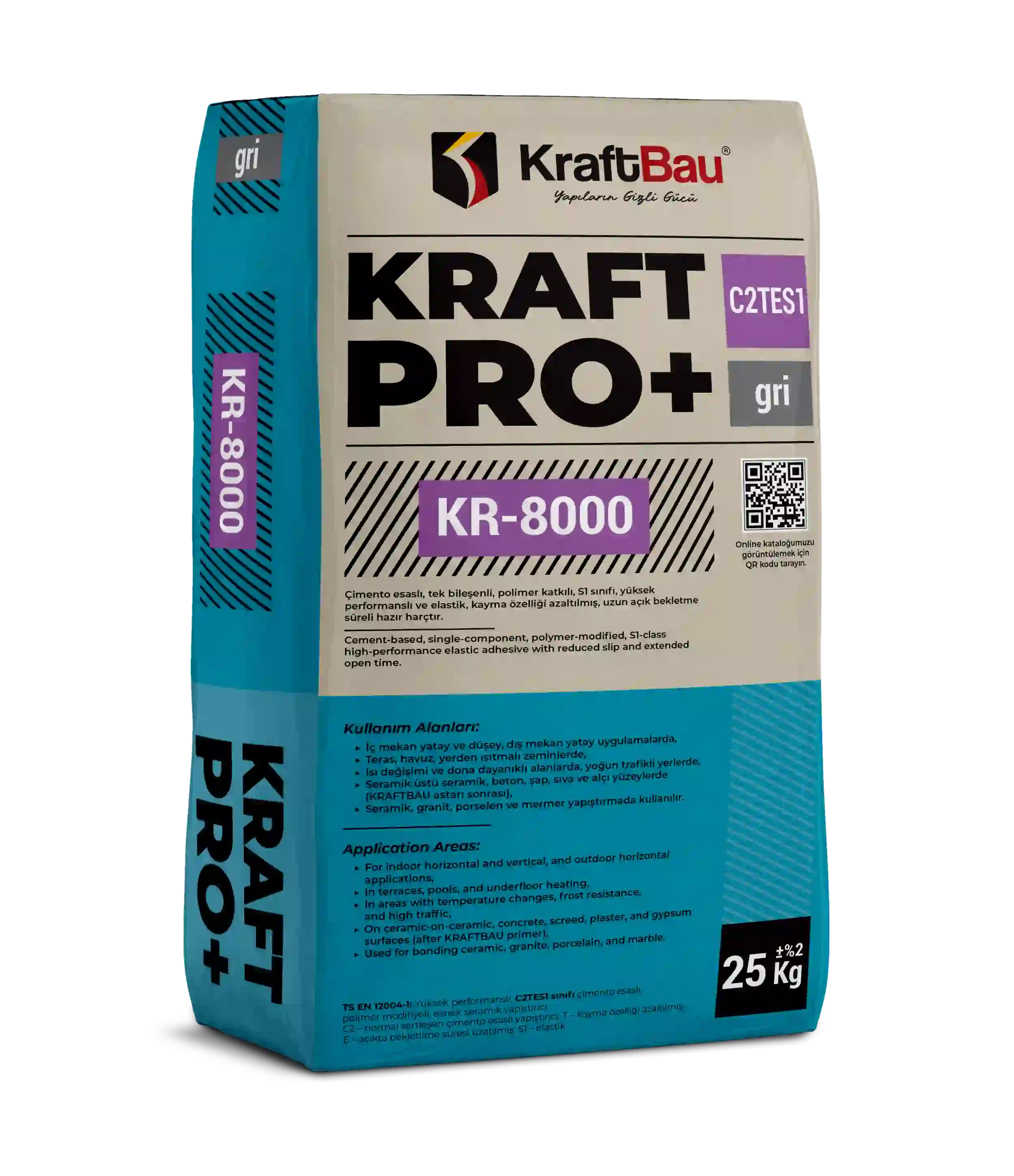
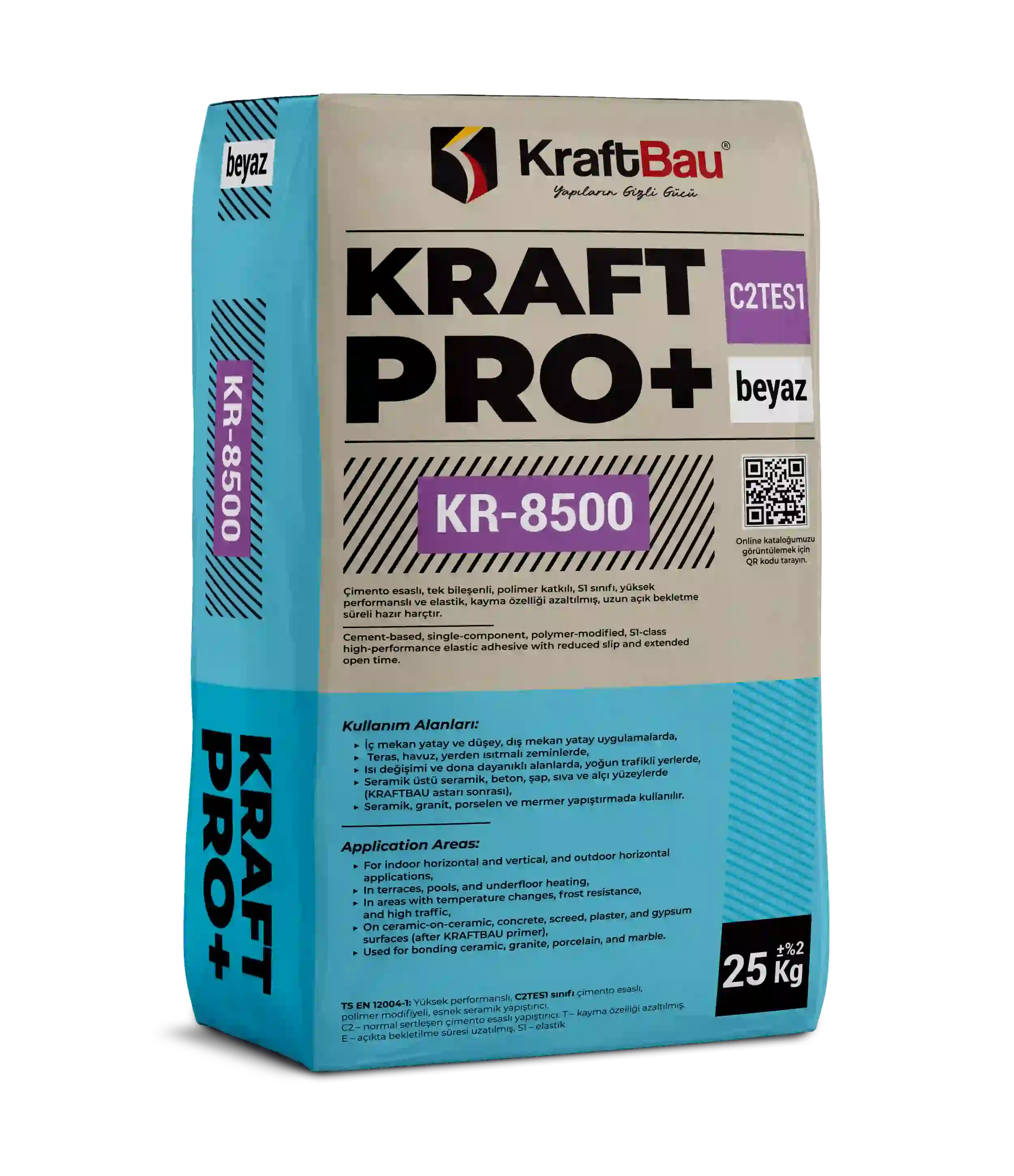
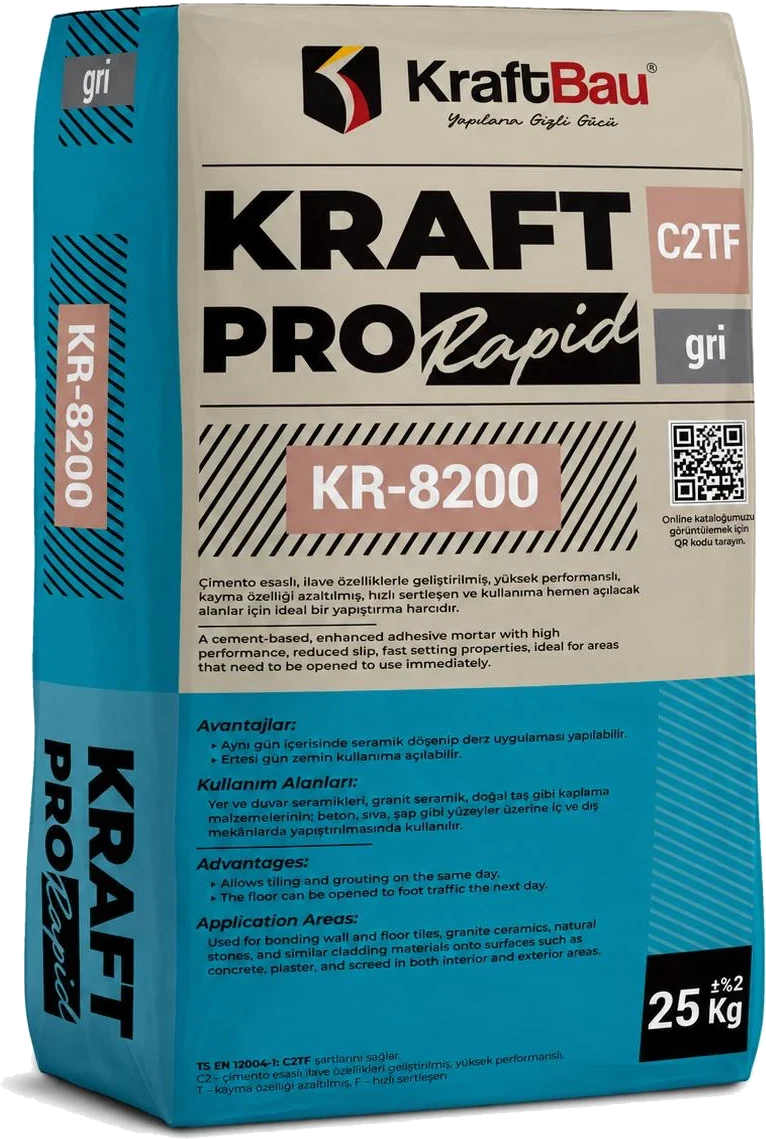
KraftBau's grey option is KR-8000 KRAFT PRO+, and the white option is KR-8500 KRAFT PRO+ WHITE. Where fast application is needed, the current technical data sheet of KR-8200 PRO RAPID should be the basis.
The class alone is not enough
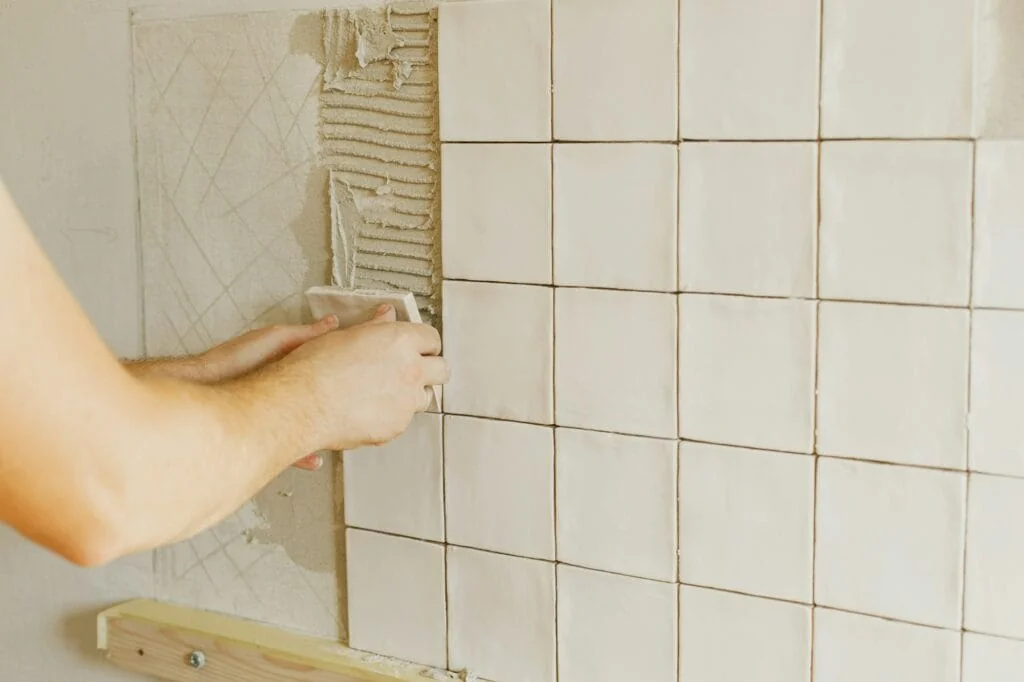
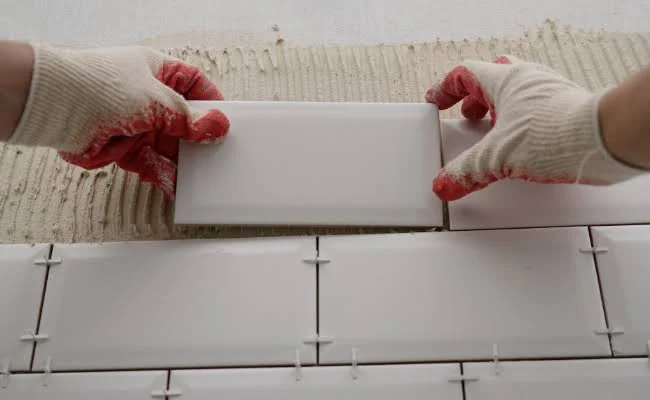
Even if the right class has been chosen, the application will not be reliable if the substrate is uneven, dusty or not load-bearing. For large formats, surface flatness, a suitable notched trowel, applying the adhesive to both the substrate and the back of the tile, and levelling equipment are important. The current product technical data sheet should be followed for the mixing ratio, maturing, working and grouting times.
Choosing white or grey
Colour is chosen after the technical class. For light-coloured, semi-translucent or stain-sensitive coverings the suitable white product can be considered; for dark, opaque standard coverings the grey option. A small test area is useful on natural stone.
Product recommendations in this content are based on the KraftBau system file. For consumption, mixing ratio, layer thickness and waiting times, refer to the product's current technical data sheet (TDS); for your project conditions, get technical support.